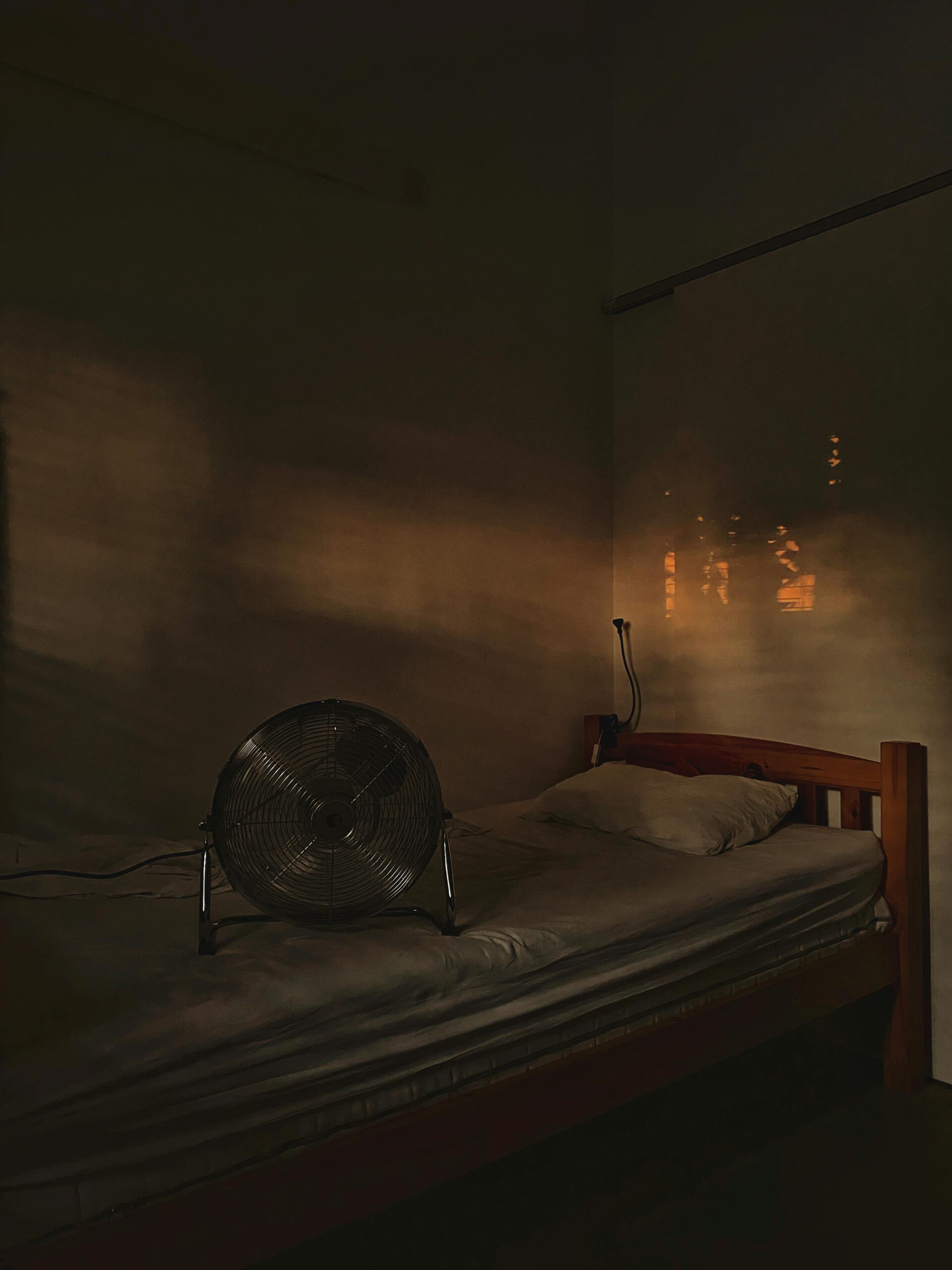
When people struggle with sleep, they often assume silence is the goal. In reality, total silence can make sleep harder—especially for light sleepers, anxious minds, or people sensitive to sudden noise.
Creating the right sound environment for sleep is one of the most overlooked factors in falling asleep faster and staying asleep longer.
Why Silence Isn’t Always Ideal for Sleep
In a silent room, the brain stays alert. Small noises become amplified, and the mind fills the gap with internal thoughts.
Common problems with sleeping in silence include:
- Heightened awareness of every sound
- Increased anxiety or racing thoughts
- Sudden awakenings from minor noise
- Difficulty returning to sleep
This is why many people sleep better with a consistent background sound.
What Makes a Good Sleep Sound?
Not all background sounds help with sleep. The most effective sleep sounds share a few key traits:
- Consistent (no sudden changes)
- Non-rhythmic (no beat or melody)
- Low in sharp or high frequencies
- Neutral and emotionally bland
These qualities allow the brain to disengage rather than focus.
Common Sleep Sounds (And Their Drawbacks)
Music
Music can be relaxing, but melodies and lyrics keep the brain engaged. Even instrumental music often causes micro-awakenings.
Nature Sounds
Rain, ocean, and forest sounds can be calming, but many tracks contain variations that disrupt deep sleep.
White Noise
White noise masks sound effectively, but its high-frequency hiss can feel harsh or fatiguing over long periods.
Why Low-Frequency Noise Works Better
Low-frequency sound creates a sense of stability. It masks environmental noise without overstimulating the auditory system.
This is where deeper noise profiles—such as brown noise—stand out.
Low-frequency sound environments:
- Reduce startle responses
- Promote nervous system relaxation
- Help maintain sleep continuity
- Feel more natural to the brain
Where Soft Brown Noise Fits In
Soft brown noise is often used as a foundation for a sleep sound environment because it avoids sharp frequencies and sudden changes.
Rather than demanding attention, it fades into the background—allowing the brain to rest.
Many people who dislike white noise find brown noise easier to tolerate throughout the night.
How to Build a Sleep-Friendly Sound Setup
You don’t need expensive equipment or complicated routines.
Volume
Set sound just loud enough to mask background noise—not loud enough to dominate the room.
Consistency
Use sounds with no looping gaps or sudden changes.
Playback Method
A speaker with decent low-frequency response works better than phone speakers for deep noise.
Duration
Many people benefit from continuous playback all night rather than a timer.
Who Benefits Most From Sleep Sound Environments?
- Light sleepers
- People with anxiety or stress
- Individuals with ADHD
- Urban or apartment dwellers
- Anyone sensitive to sudden noise
For these groups, sound isn’t a distraction—it’s a stabilizer.
Frequently Asked Questions
Is it bad to sleep with sound every night?
No. As long as volume is reasonable, consistent background sound is safe for nightly use.
What if sound makes my sleep worse?
Volume or frequency may be the issue. Lower-frequency, smoother sounds tend to be more sleep-friendly.
Should I use headphones?
Speakers are generally preferred for sleep comfort, but low-volume sleep headphones can work if needed.
Final Thoughts
Sleep isn’t just about darkness and comfort—it’s about the environment your brain experiences.
For many people, the right sound environment makes the difference between restless nights and deep rest. Low, consistent sounds help the brain relax, stay asleep, and ignore distractions.
If silence has never worked for you, adjusting your sound environment may be the simplest improvement you can make.